Dealing with plumbing leakages can be an actual headache, but it's vital to address them promptly to avoid expensive water damages and mold development. By finding out how to appropriately recognize and repair these leakages, you'll be well on your means to keeping a healthy and balanced, effective plumbing system. From evaluating for wet areas to taking apart taps, the actions included may seem frightening initially, but with the ideal approach, you can deal with these issues head-on. So, allow's jump in and discover the techniques that'll help you reach the root of those troublesome leaks and maintain your home high and completely dry.
Trick Takeaways
- Identify common causes of plumbing leakages, such as pipe rust, joint wear and tear, and worn-out washers. Evaluate pipes, taps, and fixtures regularly to find aesthetic indications, wet places, and various other indications of leakages. Troubleshoot faucet leaks by taking apart the tap, changing worn parts, and correctly rebuilding it. Usage advanced strategies like thermal imaging and leakage detection tools to locate concealed pipe leaks. Protect against future leakages with routine expert upkeep, water use surveillance, and updating to water-efficient fixtures.
Typical Root Causes Of Plumbing Leakages
Plumbing leaks can stem from a range of common causes, consisting of worn-out washers, harmed pipes, and damaged fittings.
One of the leading wrongdoers is pipeline rust, which can occur with time due to mineral build-up, water stress, or chemical reactions. This can damage the pipelines and lead to splits or openings that permit water to run away.
Furthermore, joint deterioration at connections in between pipes, components, and appliances can trigger leaks as the seals come to be used or damaged.
Defective fittings, such as loose or improperly set up links, can also be a considerable source of leakages.
Damaged washers in faucets and showerheads can additionally stop working, bring about drips and infiltration.
Out-of-date pipes systems, particularly those made of older materials like galvanized steel or actors iron, are a lot more susceptible to creating leaks as they age.
Determining the Leak's Area
Identifying the source of a leak is the very first step to dealing with the trouble.
Seek noticeable water stains or damp areas on walls, floors, or ceilings these are telltale signs of a leak.
Extensively examine all pipelines, faucets, and components to pinpoint the specific area of the leak.
Noticeable Water Discolorations
Warning water stains on walls, floorings, or ceilings can be a clear sign that a leak is afoot, directing you directly to its resource. These noticeable water marks are usually the very first hint that something is awry with your pipes.
Pay close attention to any type of discoloration or dampness, as they can indicate where the leakage is originating. Water damages triggered by these leaks can be costly, so it's important to address them immediately. If left uncontrolled, the issue might get worse, possibly resulting in mold growth and even requiring an insurance claim on your home insurance.

When you've recognized the tarnish's location, you can begin checking out the https://writeablog.net/comyazskjg/leading-10-pipes-tips-for-homeowners origin. Seek any type of splits, voids, or used seals around sinks, tubs, pipelines, or fixtures that can be enabling water to leave.
With an eager eye and an organized approach, you'll have the ability to determine the leakage's resource and take the required steps to stop the circulation and prevent future water damage.
Moist Areas Look
In addition to noticeable water discolorations, damp places can likewise indicate the place of a leakage. You'll wish to thoroughly evaluate your home, especially around plumbing components and pipes, to identify any areas that really feel damp or dampened, as these can pinpoint the resource of the concern.
Damp areas can have various reasons, such as a dripping pipe, a damaged seal around a sink or shower, and even condensation build-up. By carefully analyzing these wet areas, you can commonly map the source of the moisture back to the origin of the issue.
When you've located the moist area, you'll need to resolve the underlying concern. This might entail tightening installations, changing washing machines, or even re-sealing a fixture.
If the wet area is triggered by an extra significant leak within the wall surfaces or under the flooring, you may need to call an expert plumbing to correctly identify and fix the issue. Performing promptly to remedy moist places can assist prevent additional water damage and expensive repairs down the line.
Inspecting Piping Extensively
When you've situated the damp area, very carefully inspect the neighboring pipes to pinpoint the resource of the leakage. Examine the pipes for any fractures, openings, or loose links that can be allowing water to escape.
Look for locations where the pipelines might be sweating or condensation is developing, as these can likewise show a leak.
Don't just focus on the visible pipes - remember to check any pipelines that may be hidden behind wall surfaces or below floorings too. You might need to eliminate access panels or floor covering to extensively check these locations.
If you're having difficulty situating the leak, consider using a pipes assessment camera to get a more detailed look inside the pipes.
Routine pipeline maintenance and examinations are essential to avoid and rapidly taking care of leaks. Make a routine of inspecting your plumbing system frequently, and address any kind of issues you find without delay.
Catching leakages early can conserve you from costly water damage and mold down the line.
Examining Pipelines and Components
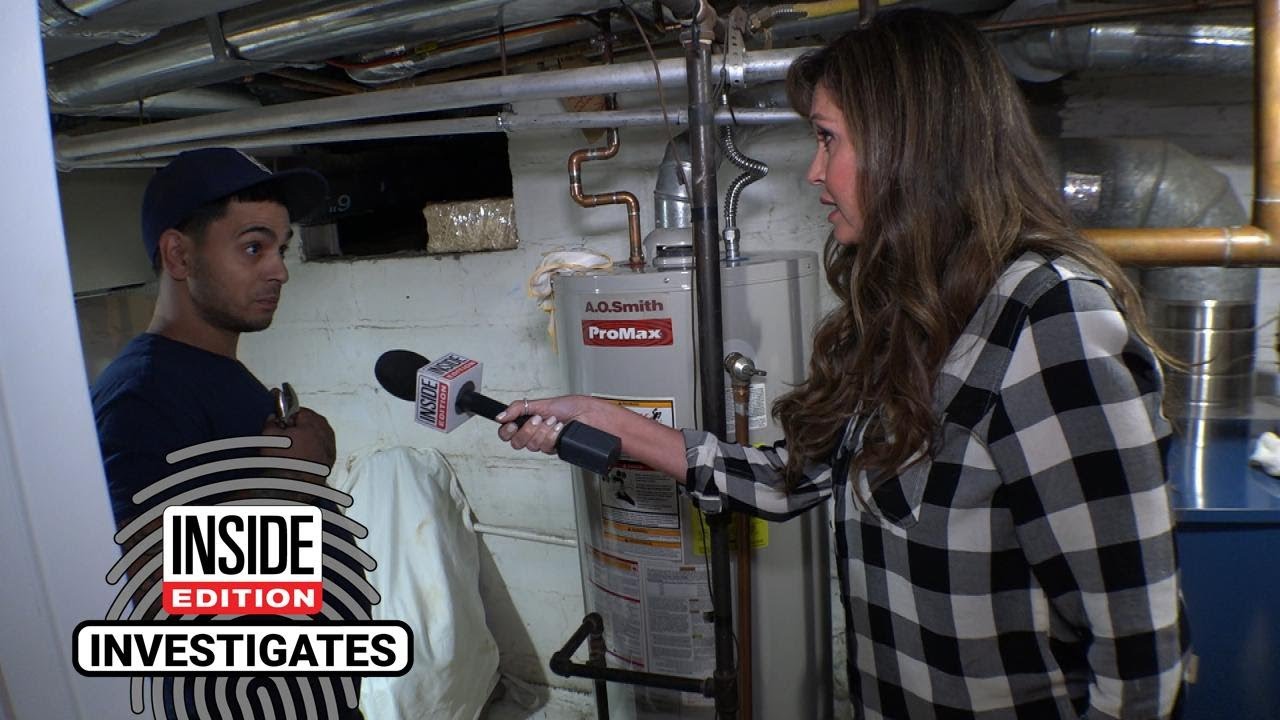
You'll intend to thoroughly examine your home's pipes and components for any type of signs of leaks. Look carefully at locations like under sinks, behind commodes, and around home appliances for any kind of moisture, discoloration, or various other indicators of a prospective plumbing concern. If you see anything concerning, don't be reluctant to dig deeper - this can save you from a much bigger trouble down the line.

When evaluating, pay special focus to faucets, showerheads, and other components. Are they functioning appropriately, or do they appear to be dripping or leaking? Also little drips can cause considerable water waste and damage in time. Consider updating older fixtures to more efficient and dependable versions as component of your regular pipe maintenance regimen.
Do not forget to check the links in between pipelines and fixtures, as these prevail difficulty places. Tighten any type of loose installations and secure any spaces with caulk or plumber's putty. By staying proactive with your assessments, you can catch issues early and stay clear of expensive water damage.
Repairing Faucet Leaks
If you've found a leaky tap, it's time to take action.
Begin by recognizing the source of the issue, whether it's used washers or a malfunctioning shutoff.
Then, take apart the faucet and replace any damaged parts to quit the leak for good.
Identifying Tap Issues
Faucet leaks are an usual plumbing problem that can lead to water damages and raised energy expenses if left unaddressed. Determining the resource of the leak is the very first step in settling the problem. To do this, you'll require to carefully inspect your tap and listen for any trickling noises.
Begin by checking the tap manage and verify it's tightened correctly. If it's loose, maybe the root cause of the leakage. Next, examine the tap stem, which houses the rubber washing machines and seals. Over time, these components can use down, causing leaks. You can attempt tightening the packing nut or changing the washers and seals to fix the issue.
If the leakage continues, the trouble may be deeper within the tap device. This could require taking apart the faucet and changing the defective components.
Regular faucet maintenance, such as lubricating the relocating components, can help prevent future leakages and prolong the lifespan of your components.
Taking apart and Replacing
Dismantling a dripping tap is the following step if tightening up the packing nut or changing the washing machines and seals does not fix the issue. Thoroughly remove the tap manage, trim ring, and any type of other noticeable components to access the inner functions.
As soon as exposed, you'll need to shut down the water to the faucet, either at the shutoff valve under the sink or by shutting off the main supply of water.
Next, you'll require to take apart the tap's internal valve mechanism. This might entail removing a keeping clip, loosening a shutoff stem, or removing a cartridge. Very carefully keep in mind the order and orientation of the components as you eliminate them to assure appropriate reassembly.
If the shutoff itself is worn or harmed, you'll need to replace it. Sometimes, the whole tap may require to be changed, specifically if the leak is coming from the pipeline or if the valve can not be fixed.
Tightening and Changing
Once you have actually taken apart the faucet, you can begin tightening and adjusting its parts to stop the leakage. Check that the washers, seals, and valve device are straightened properly, then gradually tighten the keeping clips or screws to snug up any kind of loosened parts. If the valve stem feels used, you may need to replace it completely for an appropriate seal.
After guaranteeing the parts are correctly placed, apply a percentage of plumbing technician's sealant to the strings of the tap stem and various other connections. This will help produce a limited seal and protect against future leaks. Rebuild the faucet, bewaring not to overtighten the components.
To test for leakages, turn the water back on and look for any type of drips or infiltration. If the leak persists, you might require to readjust the packaging nut or change the washing machines.
Conduct a pressure test by shutting the faucet and checking the water stress. Any kind of decrease in stress indicates a recurring leakage that calls for additional investigation and repair work.
Addressing Concealed Pipe Leaks
Finding covert pipe leaks can be a challenging job, yet taking a systematic approach can help you quickly recognize and address the underlying concern.
One reliable method is to use thermal imaging, which can spot temperature distinctions that indicate the existence of a leakage. By scanning the walls, floors, and ceilings, you can determine the exact location of the leakage, even if it's tucked away behind drywall or insulation.
If thermal imaging isn't an option, you can also attempt specialized leakage discovery devices. These tools utilize acoustic sensing units or ultrasonic modern technology to situate the source of the leakage. By relocating the sensing unit along the pipe, you can recognize the exact factor where the water is escaping.
Once you've located the leak, you can after that access the pipeline and make the needed repair services, whether it's tightening a connection or changing a section of the line.
Preventing Future Plumbing Leaks
Since you have actually situated and dealt with the leak, the following step is to concentrate on avoiding future pipes concerns. You can begin by frequently examining your pipelines and installations for any type of signs of wear or damages, capturing problems early before they lead to costly leaks down the line.
In addition, guaranteeing your plumbing system is effectively maintained through periodic expert inspections and addressing any kind of problems without delay can go a lengthy method in securing against future leakages.
One vital leak avoidance pointer is to be mindful of your water use and watch for any kind of inexplicable spikes in your water bill, which might indicate a surprise leakage.
You should likewise think about updating to more water-efficient fixtures and appliances, as they can reduce the pressure on your pipelines.
Working With an Expert Plumbing
While you can try some standard plumbing repair services by yourself, it's often best to call in a professional plumbing professional for a lot more complicated concerns or when you're uncertain of the cause or degree of the problem.
Professional plumbing professionals have the knowledge, devices, and experience to promptly determine and fix the origin of the concern, protecting against more damage and costly water waste.
When working with a plumbing professional, consider their credentials, such as licensing, insurance policy, and specialized training. A certified plumber will certainly have the ability to provide an exact cost quote upfront, taking into consideration components, labor, and any necessary authorizations or inspections.
They'll also be able to suggest you on the best long-term options to avoid future leaks.
Although hiring an expert may cost more than a DIY solution, it's typically the most efficient and affordable means to deal with pipes issues and ensure your home's water supply is operating properly.
Regularly Asked Concerns
Just How Much Will It Price to Deal With a Pipes Leak?
The typical repair costs for dealing with a plumbing leakage can differ widely, relying on the extent and area of the concern.
Typically, small leaks may set you back $50 to $200 to fix, while extra significant leakages can vary from $300 to $1,000 or even more.
Your insurance protection may provide options to help balance out these costs, so it deserves consulting your carrier to see if the leakage is covered under your plan.
Can Plumbing Leaks Cause Damage to My Home?
Absolutely, plumbing leakages can trigger considerable damage to your home. The water can lead to significant water damages, rotting timber, and even mold development if left unattended.
These issues can compromise your home's structural honesty and develop carcinogen for you and your family.
It's essential to deal with plumbing leakages as soon as possible to stop further issues and costly repair work down the line.
Do not wait - do something about it to safeguard your home.
Just how Typically Should I Look For Plumbing Leaks?
You should look for plumbing leaks on a regular basis as component of your home's preventative maintenance.
Specialists suggest executing a detailed leak discovery examination a minimum of once a year to determine and attend to any concerns prior to they cause a lot more comprehensive damage.
Can I Fix a Pipes Leak Myself?
You can without a doubt repair a pipes leak on your own, however it relies on the extent and type of leakage.
For small leaks, DIY repair services might be possible with the right tools and abilities. Begin by determining the leakage - thoroughly evaluate your plumbing system to pinpoint the source.
If you feel confident in your leakage discovery abilities, take into consideration trying a do it yourself fix.
Nevertheless, for much more intricate concerns, it's ideal to speak with a specialist plumbing professional to assure the trouble is settled securely and effectively.
What Are the Indications of a Hidden Plumbing Leak?
You might have a hidden plumbing leak if you discover signs of dampness damage, like blemished walls or floorings, peeling paint, or a mildewy smell.
These are crucial signs that you've got a leakage someplace in your pipes.
To discover the source, try to find areas with too much condensation, distorted wood, or mold and mildew development - these are all telltale signs of a covert leak.
Act promptly to attend to the issue prior to it creates more damages.
Verdict
To keep your pipes in leading shape, routinely check for leakages and promptly resolve any concerns.
Disassemble taps to check for used components, and make use of specialized tools to locate hidden pipe leakages.
Though you can deal with lots of fixings yourself, complex troubles may need a professional plumbing technician's knowledge to effectively determine and fix the root cause and prevent future leaks.